// Hormuz Detail
// Current Focal Node
Strait of Hormuz
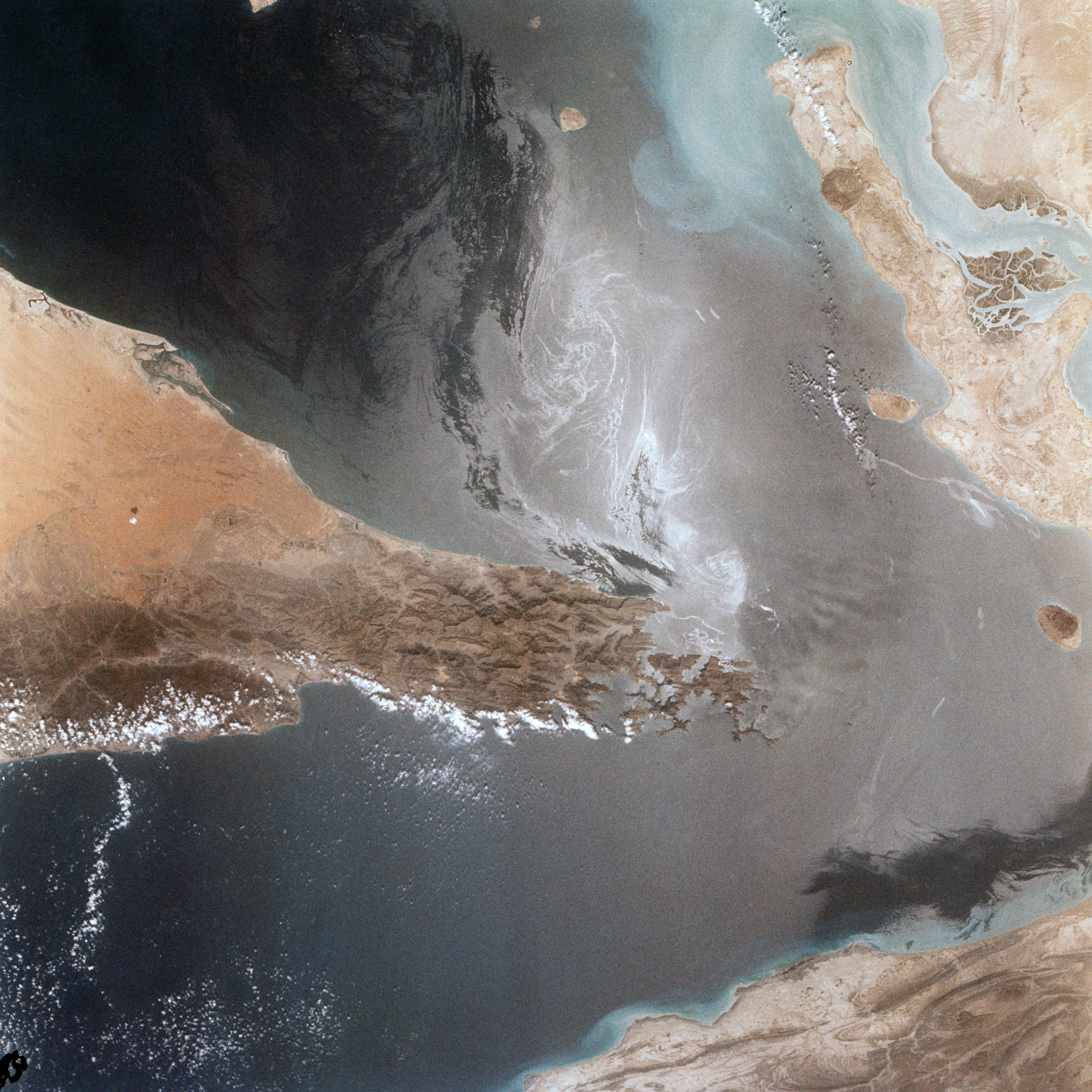
Strategic Assessment
21 million barrels of crude oil transit the Strait of Hormuz daily — approximately 20% of global petroleum supply. This 33km-wide passage between Iran and Oman is the most consequential single transit point in the global energy system. Any actor capable of contesting passage holds asymmetric leverage over every downstream consumer, including US allies in East Asia and Europe. Iranian naval assets operate continuously in adjacent waters, and the threshold for escalatory closure is calibrated by Tehran's escalation logic — not Washington's deterrence posture.
Pressure Indicators
Oil Transit Volume
21M bbl/day
LNG Flow (Qatar → Asia)
Elevated Risk
Shipping Insurance Premium
+18% vs Q4 2025
IRGC Naval Activity
Above Baseline
US 5th Fleet Readiness
Elevated
Recent Developments
- IRGC conducted naval exercises in Strait approaches — Q1 2026 — no interdiction of commercial traffic
- US 5th Fleet VBSS readiness elevated — USS [redacted] repositioned to Gulf theater
- Tanker insurance premiums elevated 18% above Q4 2025 baseline — Lloyd's advisory active
- Iranian ballistic missile inventory estimate revised upward by IISS — March 2026
- Qatar LNG export volume unchanged — route diversification assessment ongoing
Official Signals
// GR Interpretation
The Strait of Hormuz functions as an Iranian veto option over global energy supply — one Tehran maintains but has not exercised at maximum pressure. The structural risk is not deliberate closure but miscalculation during a US-Iran escalation cycle. Iranian behavior is coercive calibration: persistent enough to impose insurance and routing cost on adversary-aligned consumers, restrained enough to avoid triggering the coalition response that closure would invite. This is rational leverage management, not recklessness.
Related Nodes